
In a commercial space, temperature and air quality directly affect comfort, productivity, and even customer satisfaction. Behind the scenes, the HVAC system works tirelessly to maintain ideal conditions. Yet many owners view maintenance as optional rather than a critical investment.
This approach can be dangerous. Regular HVAC maintenance isn’t just recommended; it’s essential for your commercial property’s operational success. From preventing unexpected breakdowns to extending equipment life, it delivers benefits that outweigh the initial costs.
Ensuring structural integrity is key, including commercial roof repair, which prevents leaks and maintains proper insulation. Just as a sound roof protects your property from the elements, a well-maintained HVAC system safeguards the comfort and well-being of everyone inside.
This blog post explains why skipping HVAC maintenance isn’t an option for businesses.





Financial Benefits of Proactive HVAC Maintenance
Your bottom line benefits directly from routine HVAC care. HVAC systems account for a chunk of a commercial building’s energy use. Dust-clogged filters, leaky ducts, or aging components force your system to work harder, spiking energy bills. A malfunctioning HVAC system doesn’t just stop heating or cooling. It triggers a chain reaction.
For instance, a failing compressor can overheat and damage nearby electrical components. Worse, ignored issues often lead to emergency repairs, which cost more than preventive measures. Regular maintenance fixes these inefficiencies. Routine check-ups catch defects early, like worn-out belts or refrigerant leaks.
Moreover, effective maintenance of commercial HVAC systems can help businesses reduce energy bills. Think of it as tuning a car: a well-oiled engine runs smoother and cheaper. These savings add up quickly for large commercial spaces.
Health and Safety Implications
Your HVAC system directly impacts indoor air quality. Poorly maintained systems circulate dust, allergens, and harmful bacteria throughout your building.
Commercial spaces must meet strict indoor air quality (IAQ) standards. Dirty air ducts or mold growth in HVAC units can circulate allergens, bacteria, or viruses, risking occupant health and violating regulations. Regular filter changes and coil cleaning prevent the buildup of contaminants that can trigger respiratory issues among occupants.






Clean systems also minimize the risk of mold growth. Mold is a serious concern that can spark health problems and liability issues. Regular maintenance ensures proper ventilation, which removes indoor pollutants and brings in fresh air.
Environmental Impact and Sustainability
Your HVAC maintenance decisions affect your environmental footprint. Efficient systems consume less energy, directly reducing carbon emissions. Properly maintained equipment also prevents refrigerant leaks, which can have up to 15,000 times the 100-year global warming potential (GWP) of carbon dioxide.
While not all refrigerants have the same 100-year GWP, they vary from 16 to 15,658. The International Institute of Refrigeration reveals that 100-year GWP is more common in clinical studies, standards, and mandates. However, experts recommend using 20-year GWP values, as they better help differentiate compounds with shorter spans. These values vary between 56 and 12,400.
Optimized HVAC systems can reduce a building’s carbon footprint. Many green building certifications require documented maintenance programs. By keeping your system in top condition, you support your organization’s sustainability goals while potentially qualifying for energy incentives.
Maintaining Operational Efficiency and Property Value
System failures rarely happen at convenient times. An HVAC breakdown during extreme weather can force business closures, leading to lost revenue and unhappy customers. It’s common knowledge that employees working in comfortable temperatures are more productive than those in uncomfortable conditions.
Temperature fluctuations from malfunctioning systems directly impact your team’s focus and efficiency. Consistent climate control is even more critical for businesses with temperature-sensitive equipment or inventory. The cost of damaged products or equipment downtime far exceeds the expense of regular maintenance.
Likewise, well-maintained building systems also increase property value and tenant satisfaction. This includes proactive roof repair and maintenance to support a high-performing HVAC system. Integrity Pro Roofing recommends hiring professionals for the job to ensure longevity and effectiveness.


Frequently Asked Questions
Q1. What are the key components typically checked during commercial HVAC maintenance?
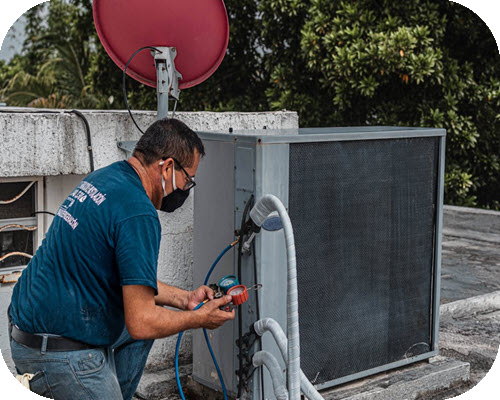
Technicians typically check air filters, condenser and evaporator coils, refrigerant levels, electrical connections, and moving parts. They also inspect ductwork and test system operation for heating and cooling efficiency. These checks identify issues early and maintain system effectiveness.
Q2. What qualifications should you look for in a commercial HVAC maintenance provider?
Verify technicians have EPA Section 608 certification for safe refrigerant handling. Look for NATE or manufacturer certifications from reputable firms. Confirm the company is licensed in your state and works with reputable oversight bodies. Ensure technicians meet Bureau of Labor Statistics standards.
Q3. What are the common warning signs that a commercial HVAC system needs maintenance?
Unusual noises like banging, squealing, or grinding signal loose parts or motor strain. Sudden energy bill spikes, longer run times, or frequent cycling imply clogged filters, duct leaks, or failing components. Similarly, uneven temperatures, poor airflow, or musty odors indicate that coils, belts, or condensate drains require cleaning or adjustment.
Regular HVAC maintenance isn’t just another item on your to-do list; it’s a business-critical function. It protects your investment, supports operations, and contributes to occupant well-being. The evidence is clear: preventive maintenance saves money, extends equipment life, improves indoor air quality, and supports your sustainability goals.