The unfortunate truth of getting behind the wheel is that car accidents are sometimes unavoidable. When this occurs, the only thing you can do is hope it isn’t a serious collision. However, jackknife accidents are among the most dangerous on the road. While this type of accident is more rare, adverse conditions stemming from the weather can make them more likely to occur. One of the steps in filing a lawsuit after a car accident is understanding what actually happened so, to that end, learn everything you need to know about the role of weather conditions in causing an 18-wheeler jackknife accident.
What is a Jackknife Accident?
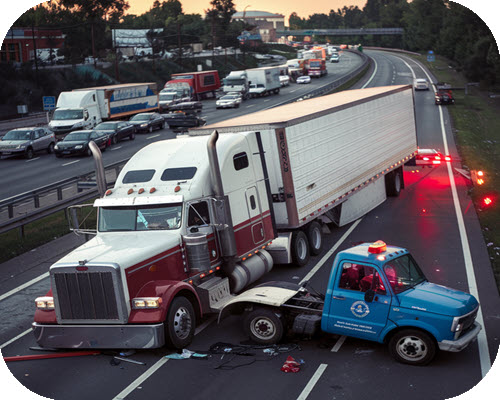
For those unfamiliar, a jackknife accident is when the trailer on an 18-wheeler swings out at a sharp angle, while the cab stays pointed straight, leading the vehicle to look like a “jackknife”. This often causes a loss of control over the truck due to the uneven weight distribution.
The circumstances that allow this accident to happen are rare, but weather-related issues make it far more common. Handling issues are common in all vehicles when the weather is poor, but the issue needs to be addressed in 18-wheelers, given how catastrophic accidents with these trucks can be.
How Weather Conditions Affect Truck Handling
First and foremost, rain is the most common weather condition most 18-wheelers will face. It should be well known that wet roads have a direct impact on traction wet roads have a direct impact on traction, with worn tires being particularly susceptible to slick conditions. This can lead to hydroplaning, which, if the rear wheels are impacted, can cause jackknifing. If the road is wet, braking distances will also be impacted, and needing to slam on the brakes can also cause the momentum of the weight in the trailer to shift, thereby sending it sideways.
Snow and ice have a similar effect to rain on the road by making the danger of losing control increase. On top of this, though, there is a natural lack of visibility that comes with these conditions, meaning truck drivers need even more time to brake. Along that line of thinking, foggy conditions can also impact a truck driver’s ability to judge distance and react properly, but this slower reaction time can potentially lead to jackknife accidents.





Another overlooked weather condition that impacts the likelihood of jackknife accidents in particular is the wind. Strong winds, especially those from the side, can destabilize large vehicles and cause accidents. If the trailers are empty of carrying lighter loads, then this issue is only exacerbated.
Risk Factors and Truck Handling in Adverse Weather
As a truck driver, your goal should be to maintain control over your vehicle at all times. To that end, there are a number of risk factors to keep in mind:
- Speed and Braking: Driving at higher speeds during poor weather conditions increases the likelihood of jackknife accidents because of reduced reaction time
- Truck Design and Load Factors: Truck size, weight, and load distribution can make certain trucks more prone to jackknife accidents, especially in inclement weather
- The Experience of the Driver: Experienced truck drivers may adjust their driving style in response to weather, whereas less experienced drivers might struggle in adverse conditions
Preventive Measures for Hazardous Weather
Even a slow-speed collision with an 18-wheeler can be devastating due to the size and weight of the vehicle. Therefore, you need to take as much preventative action as possible to avoid a wreck. Start with a pre-trip inspection by ensuring your trucks have been properly maintained, especially during the winter or rainy months. During this inspection, look at the tires, brakes, windshield wiper functionality, and other similar items.
Regular maintenance will help to reduce weather-related accidents which is why this pre-trip checklist should be done. You should also practice better driving habits, such as slowing down your speed, increasing your following distance, and using more caution before hitting the brakes.
Consider leveraging technology as well, such as GPS or weather tracking tools, which can provide real-time data on conditions. This can allow you to make informed decisions on what route you should take, particularly if there are severe weather conditions.






Legal and Financial Implications of Weather-Related Jackknife Accidents
While you certainly wouldn’t intend for the trailer of your 18-wheeler to go swinging sideways into another vehicle, it can happen. As a result, you may still be held liable from a legal and financial standpoint. Liability will be determined based on factors such as negligence, recklessness, or simply how the accident occurred.
If the 18-wheeler belongs to a company then that company may also share liability if the accident was caused due to a lack of maintenance (such as bald tires causing hydroplaning in the rain). Filing an insurance claim after an accident is also important, but the weather conditions will absolutely have an impact on this claim. To that end, document the weather conditions that occurred during the crash with photos or videos.
When weather is the cause of an accident, there is a precedent to cite it as a factor to reduce fault for the accident. The role of “Act of God” is a viable defense in weather-related accidents, but it must be shown that a driver did everything in their power to avoid the accident and that it simply wasn’t possible to avoid given the conditions.
Build an adequate defense for a weather accident
Nobody wants to be involved in a car accident with an 18-wheeler, but it may be an inevitability in certain situations. By understanding how and why it occurred, including whether the weather conditions played a role, you can build an effective legal defense in court. Through preparation, awareness, and an adequate response, you can protect yourself legally and financially. Car accidents may be unavoidable at times, but that doesn’t mean you need to allow the aftermath to be chaotic, so take action as soon as possible.