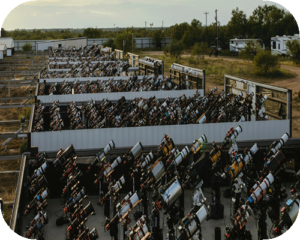
Salvage cars are automobiles that have been damaged or declared a total loss by insurance companies, often as a result of accidents, floods, or other incidents. For enthusiasts, auctions such as Chevrolet Nova salvage auctions offer the chance to buy a classic car at a small fraction of its market price. However, buying a salvage car carries its set of risks as well as benefits. To make sure you make an informed choice, it is crucial to comprehend a few crucial points before entering this industry.
Let us delve into a few.
Understand the salvage title
A salvage title is given when an automobile is declared a total loss by insurance companies due to severe damage. It is critical to realize that a vehicle bearing a salvage title might have experienced major damage from flooding, been in a tragic accident, or had other problems. Salvage automobiles can be fixed up and put back on the road, but they might not be as trustworthy or safe as cars with clear titles. Before purchasing a car, it is important to review the vehicle’s whole history and determine the degree of the damage.
Cost savings vs. repair costs


Saving is one of the main benefits of purchasing a salvage automobile. In general, salvage autos are offered for a lot less than comparable new cars with unblemished titles. Nevertheless, prospective purchasers must take into account the expenses of repairs necessary to restore the car to a state fit for driving. The total savings may be lessened in some situations if repair expenses are higher than the purchase price. Before purchasing, having the automobile inspected by a professional can assist you in determining whether the repairs are reasonable and worthwhile.
Resale value
Even when repairs are completed, the resale value of a salvage automobile is usually substantially less than that of a vehicle with a clear title. If you intend to sell the car in the future, you should give this some thought. Because of these hazards, buyers are frequently reluctant to acquire wrecked automobiles, which mean you may find it difficult to sell your vehicle for a reasonable price. This may not be a big deal if you are buying a salvage car for long-term usage, but it is something to be aware of.
Insurance challenges
It might be more difficult to obtain insurance for a salvage automobile than it is for a car with a clear title. Many insurance companies are reluctant to cover scrap cars completely due to possible safety hazards and questionable repair quality. You could only be able to obtain liability coverage in limited circumstances, which will not shield you from future harm. It is a good idea to inquire about possible coverage alternatives from insurance companies before buying a salvage vehicle.



Inspection and certification requirements
Salvage cars have to complete an array of examinations and fulfill certain certification standards, which differ from state to state, before they can be driven lawfully on the road again. This procedure guarantees that the vehicle has received sufficient repairs and is safe to operate. You must be aware of the regulations and standards in your area regarding the registration and certification of salvage vehicles. Ignoring this step now might cause problems later on in terms of safety or legality.
To conclude
Though it needs careful thought, purchasing a salvage vehicle can result in considerable savings, particularly when taking advantage of possibilities like Chevrolet Nova salvage auctions. Those who are prepared to take the time to make sure they are making a wise purchase will find that purchasing a salvage automobile can be a rewarding experience with the right study and planning.